
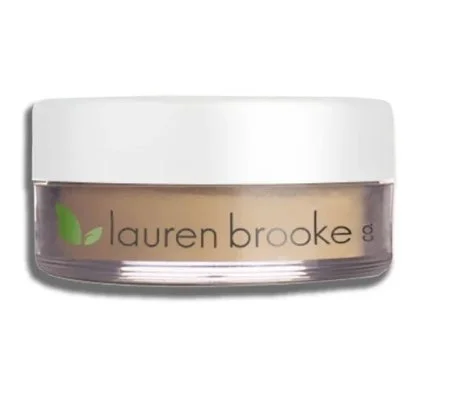
Lauren Brooke Cosmetiques Crème Foundation
This natural, cream-based foundation blends mineral pigments with nourishing botanical oils and waxes to create a smooth, hydrating finish. It’s designed to even out skin tone while supporting the skin barrier — a great option for dry, mature, sensitive, or combination skin types looking for a natural, “your skin but better” complexion.
Ingredients
This formula is made with coconut-derived caprylic/capric triglycerides, beeswax, jojoba oil, argan oil, rosehip oil, non-nano zinc oxide, natural silica, kaolin and other natural clays, passionflower extract, neem extract, green tea extract, raspberry seed oil, sunflower-derived vitamin E, and naturally derived mineral pigments such as iron oxides and ultramarines.
What I Like
Moisturizing, emollient-rich formula that nourishes the skin while providing natural-looking coverage.
Uses plant oils, beeswax, and mineral pigments instead of silicones, parabens, or petrochemicals.
Soft, smooth finish that looks like real skin rather than heavy makeup.
Botanical ingredients — raspberry seed, green tea, neem, and passionflower extracts — offer added skin-supportive benefits.
Non-nano zinc oxide and mineral pigments gently even skin tone.
EWG Rating: 2 — low hazard based on ingredient analysis.
Things to Keep in Mind
Coverage is light to light-medium — best for those wanting a natural, everyday complexion.
Dewy to natural finish; may require a setting powder for oily or combo skin.
Rich in oils and waxes, it blends best with fingers, a dense brush, or a damp sponge.
Wear time may be shorter on oily skin unless set with powder.
Cream formulas can feel heavier for those who prefer ultra-light liquids.
Sensitive Skin & Pregnancy Considerations
The core ingredients — coconut-derived triglycerides, beeswax, jojoba, argan, rosehip, zinc oxide, and mineral pigments — are generally considered low risk for topical use during pregnancy and breastfeeding.
Coconut-derived oils can be comedogenic for some, so patch testing may help if you're experiencing pregnancy-related breakouts.
Neem extract is primarily a concern when ingested; at cosmetic levels in a rinse-free product, topical exposure is considered low risk. Those following an ultra-conservative approach may still choose to avoid it.
Passionflower, raspberry seed oil, green tea extract, and other botanicals used here are commonly included in pregnancy-safe skincare.
Mineral pigments and zinc oxide are gentle options for evening tone, including for pregnancy-related melasma.