
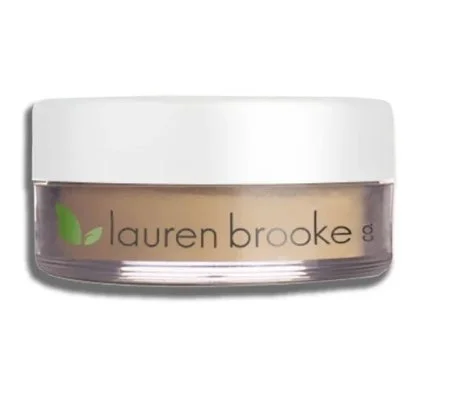
Lauren Brooke Cosmetiques Crème Foundation
This natural, cream-based foundation blends mineral pigments with nourishing botanical oils and waxes to create a smooth, hydrating finish. It’s designed to even out skin tone while supporting the skin barrier, making it a good option for dry, sensitive, or combination skin types looking for a natural, “your skin but better” look.
Ingredients:
Formulated with coconut-derived caprylic/capric triglycerides, beeswax, jojoba oil, argan oil, rosehip oil, zinc oxide (non-nano), natural silica, kaolin and other natural clays, passionflower extract, neem extract, green tea extract, raspberry seed oil, vitamin E from sunflower, and naturally derived mineral pigments such as iron oxides and ultramarines.
What I like:
Moisturizing, emollient-rich formula that nourishes the skin while providing coverage — ideal for dry, mature, or sensitive skin.
Uses natural oils, waxes, and mineral pigments instead of synthetic silicones, parabens, or petrochemicals.
Soft, smooth finish that looks like real skin rather than heavy makeup.
Gentle, botanical-rich formula that tends to work well for reactive or easily irritated skin.
Zinc oxide and mineral pigments help even tone naturally with a soothing, skin-friendly effect.
EWG rating is a 2.
Things to keep in mind:
Coverage is light to light-medium and best for those wanting a natural, everyday complexion rather than full coverage.
The finish is dewy to natural — may require setting powder if you prefer a matte look or have oilier skin.
The formula is rich in oils and waxes, so it blends best with fingers, a dense brush, or a damp sponge.
Wear time may be shorter on oily skin unless set with powder.
Creamy texture may feel heavier than liquid foundations for those who prefer ultra-light formulas.
Pregnancy / Breastfeeding Notes:
This formula is generally considered pregnancy- and breastfeeding-friendly, as it uses mineral pigments, plant oils, and waxes rather than retinoids, salicylic acid, chemical sunscreens, or other ingredients typically avoided during pregnancy.
Coconut oil and beeswax are well-tolerated for most, though coconut oil can be comedogenic for some acne-prone skin types.
As with all botanical-rich products, those with sensitive skin or a history of allergies may want to patch-test.
If you are navigating pregnancy-related melasma, the mineral pigments — especially zinc oxide — may offer gentle coverage without triggering irritation.